
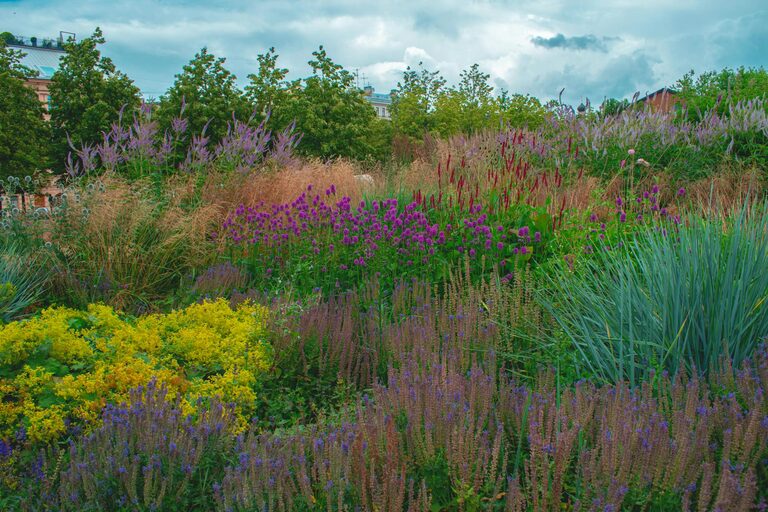
Creating a home garden that is both beautiful and sustainable is a rewarding way to connect with nature, enhance your living space, and contribute positively to the environment. Whether you have a small balcony or a spacious backyard, thoughtful planning and eco-friendly practices can help you cultivate a garden that thrives year-round. This guide offers practical tips for designing a sustainable and attractive garden that fits your lifestyle.
Why Choose a Sustainable Garden?
Sustainable gardening focuses on practices that protect natural resources, reduce waste, and support local ecosystems. By adopting these methods, you can save water, minimize chemical use, attract beneficial wildlife, and enjoy fresh produce or flowers with a lighter ecological footprint. Plus, sustainable gardens often require less maintenance and cost over time.
Planning Your Sustainable Garden
Assess Your Space and Needs
Start by examining your garden area. Consider:
– Sunlight: How much sun does each part receive daily?
– Soil quality: Test the soil for nutrients and drainage.
– Climate: Know your local temperature ranges and rainfall.
– Purpose: Decide if you want ornamental plants, vegetables, herbs, or a mix.
This assessment will help you select plants and features suited to your environment, reducing the need for added resources.
Choose Native and Adapted Plants
Native plants are naturally suited to your region’s climate and soil. They often require less water, fertilizer, and care. Additionally, native plants support local insects and birds, which enhances biodiversity. If you want non-native plants, select species that are well adapted and non-invasive.
Sustainable Garden Practices
Composting and Soil Health
Healthy soil is the foundation of a sustainable garden. Composting kitchen scraps and garden waste creates nutrient-rich soil amendments that reduce the need for synthetic fertilizers. You can start a simple compost bin or pile in a corner of your yard. Regularly adding organic matter improves soil texture and moisture retention.
Water Conservation
Water wisely by:
– Using drip irrigation or soaker hoses to deliver water directly to roots.
– Collecting rainwater in barrels for garden use.
– Mulching around plants to retain moisture and reduce evaporation.
– Grouping plants with similar water needs together to avoid over- or under-watering.
Water-saving methods not only conserve this precious resource but also promote healthier plants.
Natural Pest and Weed Control
Avoid chemical pesticides and herbicides by:
– Encouraging beneficial insects like ladybugs and bees with flowering plants.
– Using physical barriers such as row covers.
– Practicing crop rotation and companion planting.
– Removing weeds by hand or with mulch suppressing their growth.
These strategies help maintain a balanced ecosystem in your garden.
Designing for Beauty and Functionality
Mix Plant Types for Interest
Combine shrubs, perennials, annuals, and ground covers to create texture and color variety throughout the seasons. Including fragrant herbs or edible plants adds sensory appeal and utility.
Create Wildlife Habitats
Incorporate bird feeders, bat houses, or insect hotels to invite wildlife. Water features like small ponds or birdbaths can also attract creatures that help control pests and pollinate plants.
Use Recycled and Natural Materials
Choose garden paths, raised beds, fences, and furniture made from reclaimed wood, stone, or other sustainable materials. This reduces waste and complements your garden’s natural look.
Maintenance Tips for Longevity
– Regular pruning promotes healthy growth and prevents diseases.
– Monitor soil moisture and adjust watering as seasons change.
– Renew mulch yearly to keep weeds down and soil fertile.
– Harvest crops promptly to encourage continued production.
Routine care ensures your garden remains attractive and productive without excess effort.
Getting Started: A Simple Sustainable Garden Plan
- **Define your garden’s purpose:** ornamental, edible, relaxation, wildlife habitat.
- **Sketch a basic layout** considering sunlight, pathways, and seating areas.
- **Select plants** focusing on natives and drought-tolerant varieties.
- **Set up a compost bin** and rainwater collection system.
- **Prepare the soil** by adding compost and mulch.
- **Plant thoughtfully,** grouping according to water and sunlight needs.
- **Install drip irrigation** or manual watering tools.
- **Add natural pest control features** like insect-attracting flowers.
- **Maintain regularly** with pruning, weeding, and monitoring plant health.
- **Enjoy your sustainable sanctuary** and observe how it evolves.
Conclusion
A sustainable and beautiful home garden is within everyone’s reach. By planning carefully, choosing appropriate plants, conserving resources, and integrating eco-friendly practices, you create a vibrant outdoor space that nurtures both your spirit and the planet. Whether you seek fresh herbs, colorful blooms, or a peaceful retreat, your garden can be an enduring source of joy and sustainability.
Start small, be patient, and watch your green space flourish into a harmonious extension of your home. Happy gardening!